
Fraud is a growing concern for people who shop online, use digital banking, or invest money. Scammers often pretend to be trusted companies, government officials, or friends to steal money and personal information.
Fake websites, suspicious messages, wire fraud, and investment scams can cause serious financial losses. Understanding how fraud works can help you recognize warning signs and protect yourself.
Latest Fraud Trends
Fraudsters continue to use new methods to target consumers. Some create fake shopping websites, while others send messages that look like they come from banks or government agencies.
Artificial intelligence can also help scammers create convincing messages, images, and fake identities. The FBI and Federal Trade Commission (FTC) publish warnings to help people recognize these threats.
Be careful with unexpected payment requests, unrealistic investment promises, and messages that pressure you to act immediately.
Common Types of Fraud
Fraud involves deception intended to obtain money, information, property, or another benefit unfairly. Common types include:
- Financial fraud: Dishonest schemes involving money, loans, or investments.
- Online shopping fraud: Fake sellers accept payments but fail to deliver products.
- Identity theft: Someone uses your personal information without permission.
- Wire fraud: A scheme uses electronic communications or transfers to carry out deception.
- Romance scams: Criminals build online relationships to gain trust and request money.
The legal definition of fraud depends on the facts and applicable law.
ARTICAL:Susie Wiles: Latest News, Age, Career and White House Role
Warning Signs of Fraudulent Activity
Watch for these common warning signs:
- Requests for immediate payment under pressure.
- Unexpected messages asking for passwords or security codes.
- Investment offers promising guaranteed profits.
- Online sellers with little reliable business information.
- Callers who pretend to represent banks or government agencies.
- People demanding upfront fees to recover lost money.
Always verify unfamiliar requests through official contact details before sending money or sharing personal information.
How to Protect Yourself
You can reduce your risk with a few simple steps:
- Use strong passwords and enable multifactor authentication.
- Check bank and credit card statements regularly.
- Research sellers before making online purchases.
- Avoid suspicious links and unexpected attachments.
- Verify payment requests independently.
- Keep receipts and transaction records.
If you suspect fraud, contact your bank or payment provider immediately. Change compromised passwords, save evidence, and report the incident to the FTC or the FBI’s Internet Crime Complaint Center, where appropriate.
If someone steals your identity, visit IdentityTheft.gov for recovery guidance.
What Is a Fraud Claim?
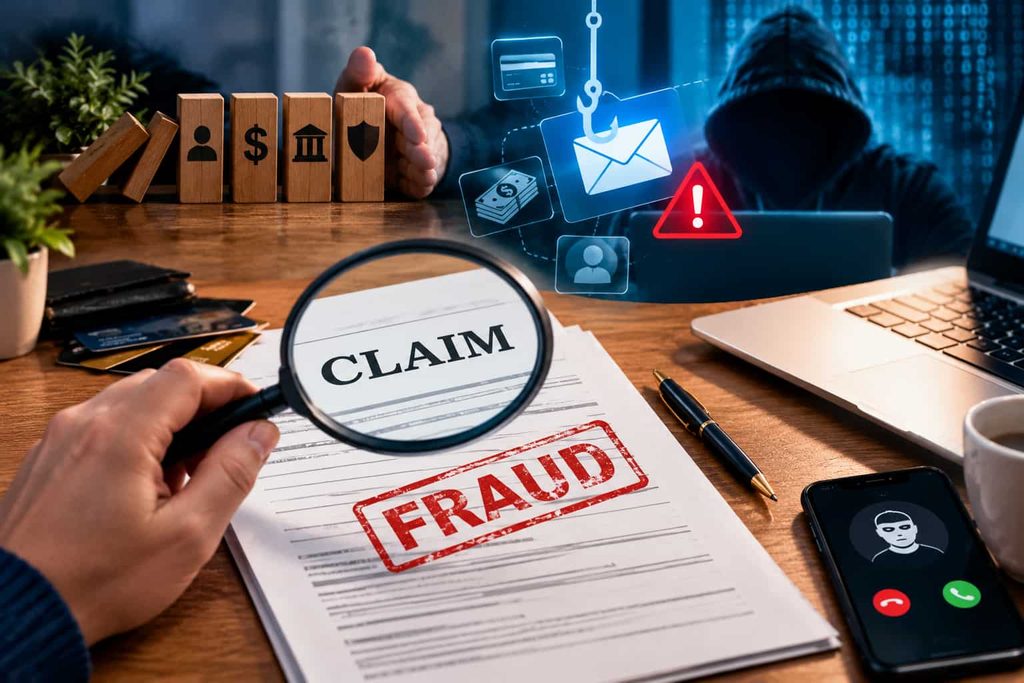
A fraud claim is a complaint or allegation involving deception that caused harm. It may concern a bank transaction, insurance matter, or online purchase.
Contact the relevant company or payment provider, explain what happened, and provide supporting evidence. A claim does not automatically prove fraud; the facts and applicable rules determine the outcome.
Frequently Asked Questions About Fraud
1. What is fraud?
Fraud is deception used to obtain money, property, personal information, or another benefit unfairly. Examples include fake investment offers and dishonest online sales.
2. What is wire fraud?
Wire fraud generally involves using electronic communications or transfers to carry out a fraudulent scheme. Examples include fake invoices and deceptive payment requests. Federal wire fraud charges have specific legal requirements.
3. How to recover money lost to fraud?
Contact your bank, credit card company, or payment provider as soon as possible. Ask whether the transaction can be stopped or disputed. Report the incident and keep all evidence. Recovery is not guaranteed, and you should avoid anyone demanding upfront fees to recover your money.
4. Was Helen Keller a fraud?
There is no reliable evidence that Helen Keller fabricated her life or achievements. She was a deafblind author and activist who worked with her teacher, Anne Sullivan, to develop communication skills. Questions about her early writing, including the controversy surrounding The Frost King, do not prove that her achievements were fraudulent.
5. How to get a refund after online shopping fraud?
Contact the seller and request a refund. If the seller does not resolve the issue, contact your bank, credit card issuer, or payment service to ask about dispute options. Keep receipts, order confirmations, and messages. Your options depend on the payment method and circumstances.
Final Thoughts
Fraud can affect anyone through fake websites, suspicious transfers, identity theft, or misleading offers. Stay alert, verify unexpected requests, and protect your financial information.
If fraud occurs, contact your payment provider quickly, save evidence, and report the incident through official channels. Taking prompt action may help limit further losses.
source: Wikipedia
One Response