
Election Day is an important event in American democracy. It allows eligible voters to choose their representatives and influence decisions that affect the country, their states, and their local communities. As Election Day 2026 approaches, people are searching for voting dates, state election schedules, polling locations, candidates, and ballot information.
The next regularly scheduled federal general Election Day is Tuesday, November 3, 2026. However, some states offer early voting or mail-in voting before the official date.
This guide explains when Election Day takes place, what Americans are voting for in 2026, how to check local voting schedules, and how eligible voters can prepare for the election.
What Is Election Day?
Election Day is the designated date when voters cast ballots to choose public officials or decide ballot measures. In the United States, federal Election Day is held on a schedule established by law, while state and local elections may follow different calendars.
During a federal general election, voters may elect members of the U.S. House of Representatives and eligible Senate seats. In presidential election years, they also participate in the process of choosing the president and vice president.
Election Day matters because the results help determine political representation, legislative priorities, and public policy. State and local elections can also influence education, transportation, taxes, public safety, and other community issues.
ARTICAL: Chris Brown: Latest News, Songs, Age, Albums and Career
When Is Election Day 2026?
Election Day 2026 is Tuesday, November 3, 2026. This is the date of the regularly scheduled federal general election and the 2026 midterm elections.
Midterm elections take place halfway through a president’s four-year term. They do not include a regularly scheduled presidential election, but they determine all 435 voting seats in the House of Representatives and the Senate seats scheduled for election. Various state and local offices may also appear on the ballot. <Cite refs={[“turn416204search0”]}/>
Here are the key details:
- Election Day: Tuesday, November 3, 2026.
- Election type: Federal midterm general election, alongside applicable state and local elections.
- Early voting: Available before Election Day in some states and jurisdictions.
- Mail voting: Available under different eligibility rules and procedures depending on the state.
Voters should confirm registration deadlines, voting hours, and ballot-return requirements with their official election office.
Is Today Election Day?
Today is October 26, 2026, so it is not the federal general Election Day. The scheduled date is November 3.
However, voting may already be available in some areas through early voting. Other jurisdictions may have separate local or special elections.
If you are searching for “is today Election Day” or “is it Election Day,” the answer depends partly on your location and whether you mean the nationwide federal election or a particular local contest.
To check your area’s schedule, visit USA.gov’s Election Day guide. You can find information about polling locations, voting hours, identification requirements, and available voting methods.
What States Are Voting Today in 2026?
The answer depends on whether you are looking for early voting in the upcoming general election or an election taking place specifically on October 26.
Early voting schedules vary across the United States. Some jurisdictions open polling locations several days or weeks before Election Day, while others offer different options for casting a ballot.
For example, New York City’s published election calendar lists early voting from October 24 through November 1, 2026. Other states and local jurisdictions have their own schedules and rules.
To find out what states are voting today, or whether voting is available in your area:
- Visit your state’s official election website.
- Check the early-voting calendar for October 26.
- Confirm whether your location has a local or special election.
- Find your authorised polling place and its operating hours.
- Review your sample ballot for the candidates and measures on which you can vote.
The U.S. Election Assistance Commission provides resources to help voters find official state election information.
What Are We Voting For in the 2026 Elections?
The 2026 elections include congressional contests and various state and local races. The exact choices available on a ballot depend on the voter’s location.
U.S. House of Representatives
All 435 voting seats in the U.S. House of Representatives are scheduled for election in 2026. Representatives serve two-year terms, so voters have an opportunity to choose their congressional representative every two years.
House elections help determine the chamber’s political makeup and influence which legislation advances, how federal spending is debated, and how government agencies are overseen.
U.S. Senate
The 2026 election cycle also includes regularly scheduled Senate races and any applicable special elections.
Senators serve six-year terms, with seats staggered across election cycles. As a result, not every state has a Senate race in 2026.
Governor and State Legislature Races
Depending on the state, voters may elect governors, state legislators, and other statewide officials.
These offices can affect state budgets, education funding, transportation projects, taxes, healthcare policy, and public safety. The offices appearing on a ballot vary by state.
Local Elections and Ballot Measures
Local ballots may include mayoral races, county officials, city council members, school board elections, judges, and ballot questions.
Ballot measures can ask voters to approve or reject proposed changes involving public services, taxes, infrastructure, or local laws.
To find out exactly what you are voting for, check your official sample ballot before Election Day.
How to Vote in the 2026 United States Elections
Voting rules differ by state, but a few basic steps can help eligible voters prepare.
1. Check Your Voter Registration
Confirm that your registration is active and that your details are correct. Registration deadlines and same-day registration rules vary by state.
Start with Vote.gov to find your state’s official registration service.
2. Find Your Polling Place
Your polling place is the authorised location where you cast an in-person ballot. Use your official state or local election website to identify the correct location and confirm its hours.
Do not assume your polling place is unchanged from the previous election.
3. Review Voter ID Requirements
States set their own identification requirements for in-person voting. Some require specific forms of ID, while others follow different verification procedures.
Check the official rules before visiting a polling place. If you do not have the required identification, contact election officials to ask about available alternatives.
4. Choose an Available Voting Method
Depending on state rules and your eligibility, you may be able to vote in one of these ways:
- In-person voting: Visit your assigned polling place on November 3.
- Early voting: Cast your ballot at an authorised location before Election Day, where available.
- Mail-in or absentee voting: Follow your state’s eligibility rules, application procedures, and ballot-return deadlines.
Mail voting requires particular attention to deadlines. Depending on state law, a ballot may need to be received or postmarked by a specified date.
5. Review Your Ballot
Read the instructions for each contest and ballot measure. Official sample ballots and voter guides can help you understand the candidates and issues before making your choices.
If you need assistance at a polling place, ask an election worker about the procedures available to you.
Is Election Day a Federal Holiday?
Election Day is not a regular federal holiday under the federal holiday schedule published by the U.S. Office of Personnel Management. The official list of federal holidays does not include Election Day. <Cite refs={[“turn416204search1”,“turn416204search2”]}/>
However, state and local policies can differ, and some employers may offer time off or other arrangements to help employees vote.
If you need time away from work to cast your ballot, check your state’s voting leave laws and your employer’s policies. Do not assume that schools, businesses, or government offices will automatically close on Election Day.
What Issues Could Shape the 2026 Midterm Elections?
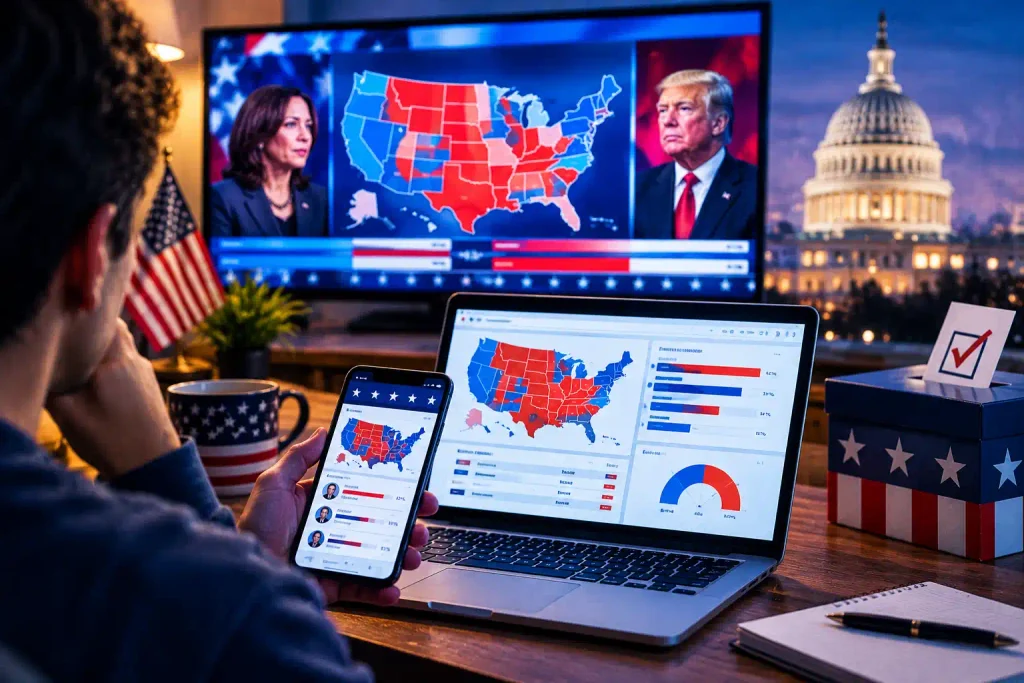
Election campaigns may address a range of national, state, and local issues. Their importance depends on the candidates, the district, and the concerns of voters.
Economy and Cost of Living
Economic discussions may include inflation, wages, employment, housing affordability, taxes, and small-business conditions.
Candidates may propose different approaches to these issues, so voters can review their stated policies and records to understand the choices available.
Healthcare and Public Services
Healthcare access, insurance costs, prescription drug prices, education funding, and public services may feature in election campaigns.
Federal, state, and local officials have different responsibilities in these areas, making it useful to understand which office is responsible for a particular policy.
Immigration and Border Policy
Immigration enforcement, border security, legal immigration, and immigration procedures may also be discussed during campaigns.
Federal lawmakers can influence national legislation and oversight, while state and local authorities have different roles under applicable laws.
Government Spending and Congressional Control
The midterm elections determine the composition of Congress and can influence legislative priorities, federal spending debates, and government oversight.
The results also affect how lawmakers approach policy negotiations during the remainder of the presidential term.
How to Follow Election Day Results and Updates
As November 3 approaches, voters may want to follow candidate news, registration deadlines, early voting, polling-place changes, and election administration updates.
On Election Day, useful information includes polling hours, official notices, reported turnout, ballot-counting updates, and results.
For reliable information, use these resources:
- USA.gov Election Day information
- U.S. Election Assistance Commission
- Vote.gov voter registration resources
- Your official state or county election website for local schedules and results.
Remember that election-night results are often unofficial. Some ballots require additional processing, and final certification takes place according to state law.
Frequently Asked Questions About Election Day
When Is Election Day?
In the United States, the regularly scheduled federal general Election Day falls on the Tuesday after the first Monday in November during even-numbered years. State and local elections may take place on other dates.
When Is Election Day 2026?
Election Day 2026 is Tuesday, November 3. Voters will decide congressional races and applicable state and local contests. Early voting and mail-ballot deadlines depend on state rules.
When Was Election Day 2025?
Election Day 2025 was Tuesday, November 4, for jurisdictions holding elections on that date. The year 2025 was not a regularly scheduled federal general election year, although state and local elections took place in various areas.
Is Election Day a Federal Holiday?
No. Election Day is not included in the standard federal holiday schedule. However, some states and employers may provide voting leave or other accommodations.
What Is Election Day?
Election Day is the designated date when eligible voters cast ballots to choose public officials or decide ballot measures. Federal elections include congressional races and, during presidential election years, the presidential election process.
Is Today Election Day?
October 26, 2026, is not the federal general Election Day. However, early voting or separate local elections may be available in some jurisdictions.
What States Are Voting Today in 2026?
The answer depends on state early-voting schedules and any local or special elections. Check your official state election website for current dates and locations.
How Can I Find My Polling Place?
Use your official state or local election website to locate your assigned polling place and confirm its hours, identification requirements, and accessibility information.
Can I Vote Before November 3, 2026?
Yes, if early voting is available in your jurisdiction or you qualify to vote by mail. Eligibility rules, schedules, and deadlines vary by state.
Final Thoughts
Election Day 2026 is scheduled for November 3, and understanding the voting process can help eligible voters prepare. From checking registration and finding polling places to reviewing candidates and ballot measures, a little preparation can make voting easier.
For the most accurate information, check official election resources for your state. They provide the latest details about voting dates, early voting, registration, ballot deadlines, and election results.