
Salmonella is a common foodborne bacterium that can cause serious digestive infections in humans. It is often associated with contaminated eggs, poultry, meat, vegetables and other food products. Although many people recover within a week, some infections can lead to severe dehydration, bloodstream infections and other medical complications.
In 2026, Salmonella has received increased attention following several food recalls and outbreak investigations across the United States. Certain Zapp’s and Dirty potato chips, contaminated eggs, sprouts, jalapeño peppers and moringa-based supplements have been among the products involved in food safety investigations.
These developments have also raised questions about Salmonella symptoms, contaminated food warnings, antibiotic resistance and the difference between ordinary Salmonella infections and Salmonella Typhi, which causes typhoid fever.
Understanding how the bacteria spreads, recognizing early symptoms and following food recall announcements can help consumers protect themselves and their families.
Why Is Salmonella Making Headlines in 2026?
Salmonella has become an important food safety topic in 2026 because several investigations have highlighted how bacteria can enter the food supply through different ingredients and production processes.
The FDA and CDC have investigated multiple outbreaks involving different Salmonella strains and food products. Some investigations have ended, while others remain active.
Recent developments include:
- Zapp’s and Dirty potato chips: Certain varieties were recalled in May 2026 because a seasoning ingredient could contain Salmonella.
- Egg recall: A multistate outbreak involving contaminated shell eggs resulted in 134 reported illnesses across 18 states.
- Jalapeño pepper outbreak: A major investigation identified 488 illnesses across 34 states.
- Alfalfa sprouts: An investigation linked Salmonella Agona and several E. coli strains to contaminated sprouting seeds.
- Moringa powder: Recalled dietary supplements were connected to a multistate outbreak involving several Salmonella strains.
- New investigations: The FDA listed additional Salmonella investigations in November 2026, including cases where the food source had not yet been identified.
These events show that Salmonella contamination is not limited to one type of food. It can affect ingredients used in packaged snacks, fresh produce, supplements and other products.
Consumers should also understand that an outbreak investigation does not automatically mean every product in a particular food category is unsafe. Official recall notices identify the specific products and lots involved.
ARTICAL: JonBenet Ramsey: The Unsolved Murder, Evidence, Family and Latest Updates
Zapp’s Potato Chips Salmonella Recall: What Happened?
One of the notable food recall stories of 2026 involved Zapp’s and Dirty potato chips manufactured by Utz Quality Foods.
On May 4, 2026, Utz announced a voluntary recall of certain varieties after receiving information from a supplier that a seasoning ingredient containing dry milk powder could be contaminated with Salmonella.
The affected seasoning was supplied through a third-party supplier. Although the seasoning batches reportedly tested negative before use, the company initiated the recall as a precaution.
Which Potato Chips Were Included?
The recall covered selected varieties of Zapp’s and Dirty potato chips, including:
- Zapp’s Bayou Blackened Ranch
- Zapp’s Salt and Vinegar
- Zapp’s Big Cheezy
- Dirty Salt and Vinegar
- Dirty Maui Onion
- Dirty Sour Cream and Onion
Only specific package sizes, UPCs, batch codes and best-by dates were included. The recall did not cover every product sold under these brands.
Are the Recalled Potato Chips Still a Concern?
The FDA lists the May 2026 recall as completed and terminated. No illnesses had been reported in the original company announcement.
Consumers who still have affected packages should not eat them. They should discard the products or follow the manufacturer’s refund instructions.
This recall is an example of how contamination can enter unexpected products through seasoning ingredients rather than the main food itself.
Source: FDA, Utz Quality Foods recall announcement, May 4, 2026.
Salmonella Outbreak Linked to Eggs and Other Contaminated Foods
Eggs are a recognized source of Salmonella infection because bacteria can sometimes be present inside eggs or on their shells.
In 2026, a multistate Salmonella Enteritidis outbreak was linked to shell eggs produced and distributed by Midwest Poultry Services, L.P.
According to the final CDC investigation update on September 3, 2026, the outbreak involved:
- 134 reported illnesses
- 18 affected states
- 34 hospitalizations
- No reported deaths
The company recalled more than 1.5 million dozen eggs in July. The CDC subsequently declared the outbreak over.
Consumers should not assume that all eggs are contaminated. The recall involved identified products, and the affected eggs were past their expiration dates by the time the investigation ended.
Salmonella in Frozen Food Items
Frozen food safety is another topic attracting attention among consumers searching for nationwide recalls.
However, it is important to distinguish Salmonella recalls from outbreaks caused by other bacteria.
For example, a 2026 FDA investigation involving certain frozen blueberries concerned E. coli O145:H28, not Salmonella. The outbreak was declared over in September.
Freezing does not reliably destroy Salmonella or E. coli. Consumers should always follow cooking instructions and check official recall notices before using affected products.
FDA Potato Chip Warnings and Other Food Products
Potato chips, eggs and frozen foods are not the only products that can raise food safety concerns.
Other categories that require careful handling include:
- Raw or undercooked poultry
- Ground meat
- Unpasteurized dairy products
- Fresh vegetables
- Raw sprouts
- Contaminated seasoning ingredients
- Dietary supplements containing plant powders
Searches for instant noodles, Alfredo sauce and pizza-related Salmonella warnings should not be treated as proof of confirmed nationwide recalls. Consumers should verify the specific product through FDA or USDA announcements.
Major Salmonella Outbreak Investigations in 2026
Several other outbreaks have demonstrated the importance of food safety monitoring.
Jalapeño Pepper Outbreak
A major Salmonella Javiana outbreak was linked to jalapeño peppers distributed by Coast Citrus Distributors. The peppers came from a common grower in Sinaloa, Mexico.
The October 2, 2026, FDA update reported:
- 488 illnesses across 34 states
- 65 hospitalizations
- No reported deaths
Many affected individuals reported eating at Mexican-style restaurants before becoming ill.
The investigation identified a common grower as the likely source, and a voluntary recall was conducted. The CDC declared the outbreak over on October 2.
Alfalfa Sprouts and Drug-Resistant Salmonella
An investigation announced in August 2026 connected Salmonella Agona and multiple E. coli strains to contaminated alfalfa seeds used for sprouting.
The final CDC update on November 9 reported 77 illnesses involving the combined E. coli and Salmonella investigation, including 10 Salmonella infections and three people infected with both types of bacteria.
Investigators also identified predicted antibiotic resistance in some Salmonella samples.
The investigation was closed, but the findings highlighted why raw sprouts can be a food safety concern.
Moringa Powder Salmonella Outbreak
Another significant investigation involved dietary supplements containing moringa leaf powder.
The CDC reported 131 illnesses across 38 states by July 22, 2026. There were 36 hospitalizations among people with available hospitalization information and no reported deaths.
Several recalled products were connected to the investigation, including certain moringa-based supplement powders and capsules.
Because powdered supplements can have long shelf lives, consumers should check whether recalled products remain in their homes.
The CDC declared the outbreak over, but advised consumers not to use recalled products.
New Salmonella Investigations in November 2026
The FDA’s November 2026 outbreak investigation listing also included active Salmonella investigations.
As of the November 25 review, the listing showed:
- Salmonella Enteritidis investigation with 33 cases.
- Another Salmonella Enteritidis investigation with 14 cases.
- Salmonella Javiana investigation with 73 cases.
The food sources for these investigations had not yet been identified in the FDA listing.
These investigations should be distinguished from completed outbreaks. Their status can change as public health authorities collect additional laboratory and traceback information.
For the latest developments, consumers can check the FDA’s official outbreak investigation database.
What Is Salmonella and How Does the Bacteria Work?
Salmonella is a group of bacteria that can cause an infection called salmonellosis. It primarily affects the intestinal tract and usually enters the body through contaminated food or water.
After entering the digestive system, the bacteria can multiply and trigger inflammation in the intestines. This leads to symptoms such as diarrhea, abdominal cramps and fever.
There are different Salmonella strains, and not all infections have the same severity.
Two important categories include:
Nontyphoidal Salmonella: These strains commonly cause foodborne illness and are often associated with contaminated eggs, meat, poultry and produce.
Salmonella Typhi: This strain causes typhoid fever, a more serious systemic infection that spreads through contaminated food and water.
Understanding this difference is important because ordinary Salmonella food poisoning and typhoid fever are not the same illness.
How Does Salmonella Enter the Food Supply?
Salmonella contamination can occur at different stages of food production, from farms and processing facilities to grocery stores and home kitchens.
Some common sources include:
Eggs and poultry: Raw or undercooked eggs and chicken are recognized sources of infection.
Meat products: Contamination can occur during slaughter, processing or food preparation.
Fresh produce: Fruits and vegetables can become contaminated through soil, irrigation water or handling.
Raw sprouts: Warm and humid growing conditions can allow bacteria present on seeds to multiply.
Dairy products: Unpasteurized milk and products made from it may carry harmful bacteria.
Packaged food ingredients: Seasoning powders and other ingredients can introduce contamination into finished products.
Cross-contamination is another important factor. For example, using a cutting board for raw chicken and then placing fresh vegetables on the same surface without proper cleaning can spread bacteria.
How Serious Can a Salmonella Infection Become?
Most Salmonella infections affect the digestive system and improve without specific medical treatment. However, certain cases can become serious.
Possible complications include:
- Severe dehydration due to prolonged diarrhea and vomiting.
- Bacteremia, which occurs when bacteria enter the bloodstream.
- Infections affecting the bones or joints.
- Inflammation or infection involving other organs.
- Rare vascular infections that may become life-threatening.
Young children, older adults and people with weakened immune systems are more likely to experience serious complications.
People with severe symptoms should seek medical attention rather than attempting to manage the infection without professional guidance.
Recognizing Salmonella Symptoms and Possible Complications
Salmonella symptoms usually develop between six hours and six days after exposure.
The infection commonly causes digestive problems, but symptoms can vary depending on the bacterial strain and the person’s health.
Common warning signs include:
- Diarrhea, which may sometimes contain blood.
- Fever and chills.
- Stomach pain and abdominal cramps.
- Nausea and vomiting.
- Headache.
- Loss of appetite.
Most people recover within four to seven days.
However, bloody diarrhea, persistent fever, severe abdominal pain and dehydration require medical attention.
Signs of dehydration may include reduced urination, dry mouth, dizziness and unusual weakness.
People who develop severe symptoms after eating a recalled food product should contact a healthcare professional.
Who Is More Vulnerable to Salmonella?
Although Salmonella can affect anyone, certain groups have a higher risk of severe illness.
Young children: Their immune systems are still developing, making severe dehydration and complications more concerning.
Older adults: Age-related changes in immune function can increase the risk of serious infection.
People with weakened immunity: Individuals whose immune systems cannot respond effectively to infection may experience more serious symptoms.
People with certain chronic health conditions may also need closer medical attention.
How Doctors Diagnose and Treat Salmonella Infection
Doctors may suspect Salmonella based on symptoms, recent food exposure and medical history.
A stool test is commonly used to identify the bacteria. In severe cases, blood tests or blood cultures may be needed to determine whether the infection has spread beyond the intestines.
Treatment and Recovery
Most healthy people recover without antibiotics.
Treatment generally focuses on preventing dehydration and supporting the body during recovery.
Common recommendations include:
- Drinking sufficient water and fluids.
- Using oral rehydration solutions when appropriate.
- Getting adequate rest.
- Replacing fluids and electrolytes lost through diarrhea.
- Following medical advice about food and medication.
Antibiotics may be necessary for people with severe infections or a higher risk of complications.
However, unnecessary antibiotic use is discouraged because it can contribute to antibiotic resistance and may not improve recovery in otherwise healthy people with uncomplicated intestinal infections.
People should also consult a healthcare professional before taking anti-diarrheal medicines, particularly if they have fever or bloody stools.
Drug-Resistant Salmonella: Why Is It a Public Health Concern?
Antibiotic resistance occurs when bacteria develop the ability to survive medicines that would normally destroy them or stop their growth.
Drug-resistant Salmonella can make certain infections more difficult to treat.
This issue received attention during the 2026 outbreak investigations involving moringa powder and alfalfa sprouts.
Laboratory analysis identified Salmonella samples with predicted resistance to multiple antibiotics in the alfalfa sprout investigation.
However, this does not mean every Salmonella infection is resistant to treatment.
Doctors may request additional laboratory testing to determine which antibiotics are likely to work when treatment is necessary.
Avoiding unnecessary antibiotics and following medical prescriptions are important ways to help reduce the spread of resistance.
Salmonella Typhi and the Typhoid Vaccine
Salmonella Typhi causes typhoid fever, which differs from the common intestinal infection caused by nontyphoidal Salmonella.
Typhoid fever spreads through contaminated food and water, particularly in areas where sanitation and clean drinking water are limited.
Symptoms may include prolonged fever, weakness, headache, abdominal discomfort and digestive problems.
Vaccines are available to help prevent typhoid fever. They may be recommended for people traveling to areas where the disease is common.
However, the typhoid vaccine does not protect against every type of Salmonella food poisoning.
People should consult a healthcare professional about vaccination and travel-related precautions.
How to Prevent Salmonella Through Everyday Food Safety
Preventing Salmonella requires proper food handling, cooking and hygiene.
The CDC recommends four basic food safety principles: Clean, Separate, Cook and Chill.
Clean Your Hands and Kitchen
Wash your hands with soap and water for at least 20 seconds before preparing food and after handling raw meat, eggs or poultry.
Clean kitchen surfaces, utensils and cutting boards regularly.
Keep Raw and Cooked Foods Separate
Use separate cutting boards for raw meat and ready-to-eat foods whenever possible.
Store raw poultry and meat in sealed containers to prevent juices from contaminating other food.
Cook Food to Safe Temperatures
Proper cooking helps destroy Salmonella bacteria.
Use a food thermometer to check internal temperatures instead of relying only on appearance.
For example:
- Poultry should reach 165°F.
- Ground meat should reach 160°F.
- Whole cuts of beef, pork and lamb should reach 145°F with a three-minute rest.
- Egg dishes should reach 160°F.
Refrigerate Perishable Food Promptly
Refrigerate perishable food within two hours, or within one hour when temperatures exceed 90°F.
Keep refrigerators at 40°F or below.
Be Careful With Raw Products
Avoid raw or undercooked eggs, undercooked poultry, unpasteurized dairy products and raw sprouts.
Wash fresh produce under running water before eating or preparing it.
What Should Consumers Do When a Salmonella Recall Is Announced?
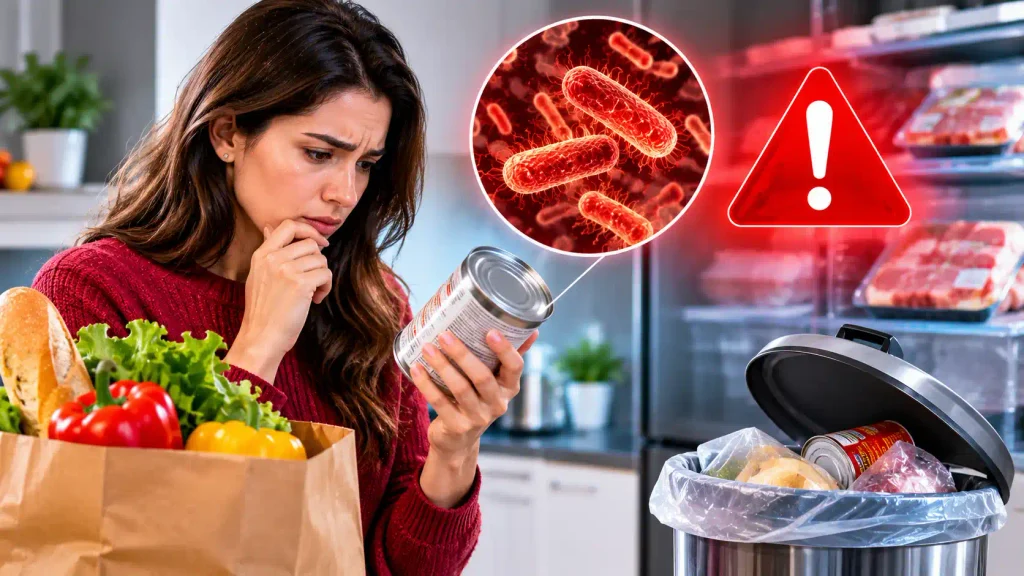
A food recall does not necessarily mean every product from a company or brand is contaminated.
Consumers should carefully check the official announcement to identify the affected items.
If a product is included in a Salmonella recall:
- Stop eating the affected product.
- Check its UPC, lot number and best-by date.
- Follow the recall instructions for disposal or return.
- Wash hands after handling the product.
- Clean kitchen surfaces and utensils that may have contacted it.
- Contact a healthcare professional if symptoms develop after possible exposure.
Consumers should never taste a suspicious product to determine whether it is safe. Salmonella-contaminated food may look and smell completely normal.
For U.S. food safety announcements, the FDA and USDA provide official recall information.
Final Thoughts
Salmonella remains a major food safety concern in 2026, with multiple outbreaks and recalls showing how contamination can affect different parts of the food supply.
The Zapp’s potato chips recall, egg-related illnesses, jalapeño pepper outbreak and contaminated moringa powder investigations demonstrate why consumers should pay attention to food safety updates.
Beyond the latest news, understanding the symptoms, transmission, treatment and prevention of Salmonella can help people make informed decisions about their health.
Most infections resolve within a week, but severe symptoms and dehydration should not be ignored. Proper food preparation, handwashing and checking official recall announcements remain essential steps in reducing the risk of infection.
Frequently Asked Questions About Salmonella
What’s Salmonella?
Salmonella is a group of bacteria that can cause infections in humans, particularly through contaminated food and water. The infection commonly affects the digestive system and may cause diarrhea, fever, stomach cramps and nausea.
Can Salmonella kill you?
Yes, Salmonella can be fatal in rare cases, particularly when the bacteria spread into the bloodstream or cause serious complications. Severe dehydration can also become life-threatening. Young children, older adults and people with weakened immune systems face a higher risk. Most healthy individuals recover without serious complications.
Is Salmonella contagious?
Yes, Salmonella can spread from one person to another through the fecal-oral route. This usually happens when infected stool contaminates hands, food or shared surfaces. Proper handwashing, especially after using the bathroom and before preparing meals, helps reduce transmission.
How long does Salmonella last?
Most people experience Salmonella symptoms for four to seven days. However, some individuals may continue shedding the bacteria in their stool for several weeks after recovering. Good hygiene remains important even after symptoms disappear.
Can you develop Salmonella symptoms several days after eating contaminated food?
Yes. Symptoms generally begin between six hours and six days after exposure. This delay can make it difficult to identify the exact food responsible for an infection, particularly when someone has eaten several different meals.
Does cooking kill Salmonella?
Proper cooking can destroy Salmonella bacteria when food reaches the recommended internal temperature. However, food can become contaminated again through unwashed hands, utensils or surfaces after cooking.
Is Salmonella the same as typhoid fever?
No. Both are caused by bacteria belonging to the Salmonella group, but Salmonella Typhi causes typhoid fever, while nontyphoidal Salmonella commonly causes foodborne gastroenteritis. The illnesses have different clinical characteristics and prevention approaches.
SOURCE: Wikipedia
You May Also Like
 Fidelity: 2026 News, AARP 401(k) Warning, Roth IRA, Data Breach Settlement and Investment Guide
 Barcelona vs Villarreal: Match Result, Lineups, Standings, Stats and Highlights
 Quentin Tarantino Movies: Complete Filmography, Best Films, Latest News and Career
 Indictment: What It Means, How It Works and the Latest High-Profile Cases
 Zoo Lights 2026: Tickets, Dates, Best Christmas Light Events and Visitor Guide
 Bowen Yang Leaving SNL: Why He Left, Movies, Career, Wicked and Latest News
One Response