
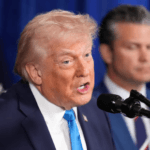
Former President Donald Trump met with McDonald’s proprietors, operators, and suppliers in Washington, wherein he touted his administration’s efforts to address inflation through tax cuts and reshoring of manufacturing.
Trump recounted that even though development has been made, “there’s still a number of things to do” to ease the fee burden on Americans. He defended his tariff rules, declaring that he recently removed responsibilities on over 200 food imports, a flow he frames as part of a broader fight to lower dwelling costs.
At the collection, Trump additionally floated unconventional proposals, like a $2,000 tariff-funded take-a-look-at for citizens and 50-year mortgage guidelines he argues could help everyday people navigate inflationary pressures.
Economic watchers remain divided. While a few support his method for enhancing manufacturing and cutting tax burdens, others warn that tariff-funded giveaways could get worse, change tensions, and distort markets.

Why Fast-Food Prices Became a Political Battleground
Fast food may seem an unlikely stage for a national argument about inflation, but few prices are as visible — or as frequently paid — as the cost of a burger, fries and a drink. That visibility is why restaurant menus have become a shorthand in the cost-of-living debate: voters may not track inflation data month to month, yet they notice immediately when a familiar meal costs more than it used to.
The business structure behind the counter complicates any quick fix. The overwhelming majority of McDonald’s restaurants in the United States are owned and run by independent franchisees, not by the corporation itself. Those operators pay rent, royalties and supply costs, hire their own staff, and set most of their own menu prices. When beef, cooking oil, packaging and wages all rise at once, a franchisee’s room to absorb the increases is limited, and menu prices tend to follow. Corporate promotions and value menus can soften the blow, but they depend on franchisees agreeing to thinner margins.
The proposals floated at the meeting face their own hurdles. Removing tariffs on imported food can ease some wholesale costs, though any savings must pass through suppliers and distributors before reaching a menu board. Ideas such as tariff-funded payments to households or far longer mortgage terms would need approval from Congress and would take time to design and deliver. For now, the most reliable signal will be the prices themselves — and whether value offerings keep expanding. Follow the wider debate in our politics coverage.
You May Also Like
 Rock Singer Brad Arnold of 3 Doors Down Dies After Long Cancer Fight
 Venezuela 1st in the List: Which Countries Could Trump Target Next?
 Australian state plans to ban intifada chants after Bondi shooting
 U.S. retail prices rise slightly in November, core inflation remains steady
 US stocks dip as Treasury yields rise ahead of Fed meeting
 US Consumer Confidence Drops Amid Government Shutdown