
US Consumer Confidence Drops Amid Government Shutdown
U.S. Patron sentiment has slumped sharply to certainly one of its weakest readings in over three years, in step with a University of michigan survey, as the extended federal government shutdown drags on. The sentiment index fell to 50.3 in early november, down from 53.6 in october, highlighting large financial tension throughout specific income agencies and political affiliations Economists say the drop displays a a deep challenge over process protection, the disruption of federal offerings, and uncertainty about when the shutdown would possibly give up. The survey also noted an upward push in inflation expectations among households. A few analysts warn that those bad sentiment traits could further drag patron spending, threatening gdp increase within the near time period, specifically if the political impasse keeps up. Why Government Shutdowns Shake Consumer Confidence Shutdowns tend to hit confidence through direct experience rather than abstract politics. Hundreds of thousands of federal employees face delayed pay or furloughs when funding lapses, and the effects ripple outward to contractors, local businesses near federal facilities, and households that rely on government services running on time. Even Americans untouched directly see constant coverage of closed offices and missed paychecks, which colours how secure their own finances feel. The survey behind this reading — the University of Michigan’s long-running consumer sentiment index — is published twice a month and asks households about their personal finances, buying conditions and the economic outlook. It sits alongside the Conference Board’s measure, and the two often move in the same direction while telling slightly different stories; the Conference Board’s latest index also slid to a six-month low, suggesting the gloom is broad rather than an artefact of one poll. The Michigan survey additionally tracks what inflation households expect over the coming year, a figure the Federal Reserve watches because expectations can become self-fulfilling when families and firms set spending and prices around them. The open question is how much of the pessimism turns into behaviour. In recent years Americans have repeatedly reported feeling gloomy about the economy while continuing to spend — a gap between “soft” survey data and “hard” spending data that forecasters have learned not to ignore. If the shutdown ends quickly, sentiment has historically tended to recover much of the lost ground; the longer an impasse drags on, the greater the risk that caution starts showing up in shops and showrooms.
Trump tells McDonald’s franchisees inflation fight is a daily battle
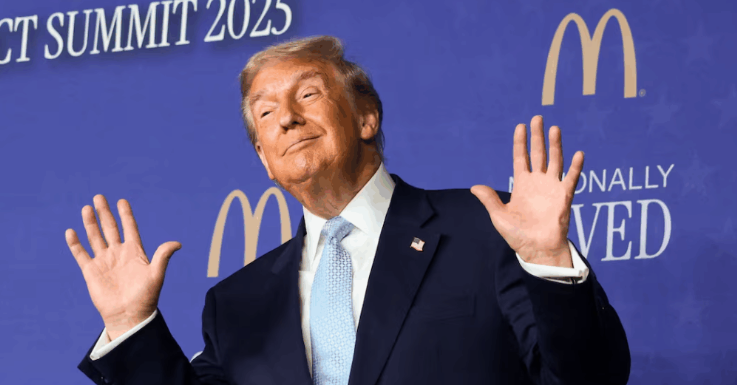
Former President Donald Trump met with McDonald’s proprietors, operators, and suppliers in Washington, wherein he touted his administration’s efforts to address inflation through tax cuts and reshoring of manufacturing. Trump recounted that even though development has been made, “there’s still a number of things to do” to ease the fee burden on Americans. He defended his tariff rules, declaring that he recently removed responsibilities on over 200 food imports, a flow he frames as part of a broader fight to lower dwelling costs. At the collection, Trump additionally floated unconventional proposals, like a $2,000 tariff-funded take-a-look-at for citizens and 50-year mortgage guidelines he argues could help everyday people navigate inflationary pressures. Economic watchers remain divided. While a few support his method for enhancing manufacturing and cutting tax burdens, others warn that tariff-funded giveaways could get worse, change tensions, and distort markets. Why Fast-Food Prices Became a Political Battleground Fast food may seem an unlikely stage for a national argument about inflation, but few prices are as visible — or as frequently paid — as the cost of a burger, fries and a drink. That visibility is why restaurant menus have become a shorthand in the cost-of-living debate: voters may not track inflation data month to month, yet they notice immediately when a familiar meal costs more than it used to. The business structure behind the counter complicates any quick fix. The overwhelming majority of McDonald’s restaurants in the United States are owned and run by independent franchisees, not by the corporation itself. Those operators pay rent, royalties and supply costs, hire their own staff, and set most of their own menu prices. When beef, cooking oil, packaging and wages all rise at once, a franchisee’s room to absorb the increases is limited, and menu prices tend to follow. Corporate promotions and value menus can soften the blow, but they depend on franchisees agreeing to thinner margins. The proposals floated at the meeting face their own hurdles. Removing tariffs on imported food can ease some wholesale costs, though any savings must pass through suppliers and distributors before reaching a menu board. Ideas such as tariff-funded payments to households or far longer mortgage terms would need approval from Congress and would take time to design and deliver. For now, the most reliable signal will be the prices themselves — and whether value offerings keep expanding. Follow the wider debate in our politics coverage.
US Retail Sales Rise in October But Consumers Stay Cautious

Current information from the nationwide Retail Federation (NRF) suggests that U.S. retail income climbed by 0.6% in October, excluding car dealerships and gasoline stations. (NRF) Notwithstanding this monthly benefit, analysts warn that customers remain cautious. Circana, a market studies firm, reported that at the same time as spending on food and essentials rose, discretionary spending—especially on big-ticket gadgets—cooled. (Circana) The NRF’s October facts also confirmed a 5% year-over-year increase in overall retail sales (except automobiles and fuel), signalling moderate momentum as the holiday season starts. However, as NRF CEO Matthew Shay noted, “the latest economic statistics have been blended,” with inflation issues and chronic uncertainty nonetheless pressuring consumers. In the meantime, Circana pointed out that consumers are being “nimble” with their spending, prioritizing requirements and balancing wallets below inflationary headwinds. Inside the 4 weeks ending November 1, they found that whilst greenback income grew by 2%, the variety of items bought in keeping with the household stayed flat compared to the final year. Why This Matters: A 0.6% month-to-month bounce indicates that customer spending isn’t always definitely weakening precise news for stores as the holiday season tactics. However, cautious shopping behavior indicates Americans are looking at where they spend, which could restrict upside increases. For buyers and policymakers, the facts underscore an intricate balancing act: assisting growth without igniting inflation. How to Read the Retail Sales Numbers Retail sales figures are often treated as a simple scorecard for the American consumer, but the headline number hides as much as it reveals. The monthly total is measured in dollars, not in items, so part of any increase can simply reflect higher prices rather than fuller shopping baskets. That is why analysts watch unit volumes alongside spending: when the amount households spend edges up while the number of items they bring home stays flat, families are effectively paying more to stand still — a pattern often described as trading down to store brands, smaller pack sizes or fewer extras. Economists also strip out the most volatile categories to find the underlying trend. Auto sales swing with promotions and financing deals, gasoline spending moves with pump prices, and restaurant spending reflects both appetite and menu inflation. What remains — sometimes called the core or control-group reading — feeds directly into the government’s calculation of consumer spending within GDP, which is why a modest monthly move can still shift forecasts for the whole economy. For shoppers, the practical story is in the mix. Spending that holds up on food, fuel and other essentials while big-ticket discretionary purchases cool usually signals households protecting necessities first. Retailers heading into the holiday season respond with earlier promotions and sharper discounts to win that cautious spending. You can follow how these trends develop across our business coverage, including the earnings and guidance major chains report as the season unfolds.
US government shutdown setback casts shadow over Q4 growth
The 39-day federal government shutdown in the United States is showing signs of potential resolution, but its lingering effects are already weighing on economic growth and investor sentiment. The Senate cleared a procedural vote Sunday to move ahead with legislation aimed at reopening the government, offering a glimmer of relief for markets and federal workers alike. Reuters +1 Despite this progress, economists warn that the damage may already be done: output in the fourth quarter is at risk of slipping into negative territory if the shutdown continues. ReutersMajor sectors such as air travel are facing delays due to staff shortages among air traffic controllers, a key example of the shutdown’s wide-ranging ripple effects. Reuters Market responses were swift. Stock futures rose; S&P 500 futures climbed 0.8%, and Nasdaq-100 futures jumped 1.3% as the possibility of an end to the shutdown eased some of the uncertainty that has weighed heavily on investor sentiment. Reuters analysts caution, however, that the data backlog produced by the shutdown will take time to clear and could leave growth forecasts muted for months. Why this matters: A government shutdown doesn’t just halt services; it delays data releases, disrupts operations, and chips away at confidence in the economy. The possible slide into negative growth for Q4 raises risks for global markets, especially given the U.S. economy’s outsized role. For your readers interested in economics and markets, this story connects policy gridlock with everyday impacts: from job security to borrowing costs. Key takeaway:Even as lawmakers move toward reopening the government, the disruption has already cast a large shadow over the U.S. economy. Whether growth rebounds in the coming quarters will depend on how quickly normal operations resume and how deeply the freeze affected private and public sectors alike.
US job market shifts: “No hire, more fire” trend emerging
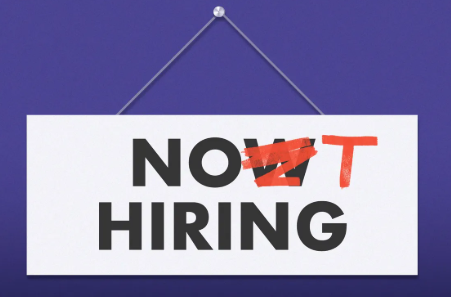
New data show that the US labor market is undergoing a noticeable shift. Employers announced nearly 950,000 job cuts between January and September 2025, highlighting a departure from the earlier “no hire, no fire” scenario to what analysts are calling a “no hire, more fire” environment. Reuters+1 Major names across tech, retail, and government sectors are part of this trend. For example, companies such as Amazon, UPS, and Intel have announced large-scale job reductions, citing automation, cost-cutting, and the end of pandemic-era hiring booms. Reuters The slowdown is especially significant because it comes at a time when government data releases like the official employment report have been delayed due to the ongoing federal shutdown. Private-sector job trackers suggest that hiring is weak and layoffs are rising. Reuters+1 Why it matters: A weakening labor market can affect consumer spending, which is a major driver of the US economy. With hiring down and layoffs up, workers may become more cautious, affecting industries that depend on discretionary spending. For your readers, this signals a moment of change in the US economy: not outright collapse, but caution and recalibration. Key Takeaway:The US job market has now entered a phase where companies are not aggressively hiring and are increasingly trimming jobs. If this continues, it may reshape economic growth patterns in the near term. What a “No Hire, More Fire” Job Market Means for Workers For workers, the practical difference between a hiring freeze and a layoff wave matters a great deal. In a “no hire” market, most people keep their jobs, but doors quietly close: vacancies go unfilled, promotions stall, and anyone hoping to switch employers for a raise finds far fewer offers to choose from. When cuts begin to follow, the risk shifts from stalled careers to lost income — and because hiring is weak at the same time, those who are let go typically take longer to land a comparable role. It also helps to understand what these numbers do and do not count. Announced layoffs are pledges made by companies, often covering months ahead; some positions disappear through attrition or early retirement rather than immediate dismissals, and a share of announced cuts never fully materialise. Government measures such as weekly unemployment claims tell a different, more immediate story about how many people are actually filing for benefits. When announcements surge while claims stay comparatively contained, economists read it as employers trimming plans rather than an economy in freefall. For households, the sensible response is preparation rather than alarm: knowing how severance, notice periods and unemployment insurance work in your state, keeping an emergency cushion where possible, and paying attention to hiring trends in your own industry rather than national headlines alone. The scale of the cuts companies have announced this year is detailed in our report on the nearly one million layoffs shaking the job market, and whether the trend deepens or fades will hinge on consumer demand in the months ahead.
Mass layoffs reach nearly 1 million in U.S. job market shake-up

U.S. companies announced about 950,000 layoffs in the first nine months of 2025, marking a sharp uptick in job cuts as businesses turn more cautious amid weaker demand, rising automation, and cost pressures. (Reuters) Major global firms such as Amazon, UPS, Microsoft, and Intel led the trend, citing strategic restructuring, increased use of AI, and a need to reverse pandemic-era hiring. The job cuts span sectors including tech, retail, and government. Analysts interpret this shift as an indicator that the U.S. labor market is entering a new phase: hiring has stalled and layoffs are rising, a pattern described as “no hire, more fire.” This change has drawn attention from the Federal Reserve, which may consider further interest-rate cuts to cushion economic risks. Though the unemployment rate remains relatively stable, the underlying dynamic of labor-market weakening is raising concerns. If job cuts continue or accelerate, the broader economy could face slower growth and tighter credit conditions for workers. Putting Nearly a Million Announced Layoffs in Perspective A figure approaching one million job cuts sounds like an economy shedding workers at an extraordinary pace, so a little scale is useful. The U.S. labor force numbers well over 160 million people, and even in quieter years the economy churns constantly: employers hire millions of workers in a typical month while others retire, resign or are let go. Announced layoffs capture only one side of that churn — the reductions companies choose to publicise — which is why the unemployment rate can stay comparatively steady even as the announcements pile up. The composition of the cuts matters as much as the total. Reductions concentrated in warehousing, technology and government-related work tell a different story from losses spread evenly across every industry, and many of this year’s announcements reverse hiring done during the pandemic, when companies staffed up quickly for a surge in online shopping and digital services. Automation and artificial intelligence feature in many explanations, but so do more ordinary pressures: softer demand, higher borrowing costs and pressure from investors to protect profit margins. Attention now turns to whether announcements convert into actual separations at the same pace. Monthly government reports on hiring, openings and layoffs will show how much of the planned reduction reaches workers, and the trend is already shaping policy debates — as the Federal Reserve’s recent rate cut showed, a cooling jobs market gives the central bank reason to support growth even while inflation remains a concern.
U.S. Consumer Confidence Falls to Six-Month Low

Consumer confidence in the United States slid to its lowest level in six months in October, as worries about job shortages and rising prices weighed heavily on household sentiment. According to The Conference Board, the confidence index dropped to 94.6, down from 95.6 in September. Reuters The weakest outlook was among younger adults under 35 and older adults over 55, as well as those earning below $75,000 annually. Meanwhile, higher-earning households (above $200,000) remained comparatively optimistic, helped by robust spending on luxury travel and other discretionary items. Reuters A growing share of consumers (27.8%) now expect fewer jobs in the next six months, up from 25.7% a month ago, the highest reading since April. The survey noted that references to inflation, prices, and domestic politics were more frequent than usual in respondent comments. Reuters Analysts view this data as a signal to the Federal Reserve that labor-market pressures are mounting. Even though the overall economy remains resilient, the divergence between high-income and lower-income consumer groups suggests a fragile growth path ahead. What the Confidence Index Actually Measures The Conference Board’s index is built from two very different sets of questions, and separating them helps explain what this month’s decline is really saying. The Present Situation component asks households how they rate business conditions and job availability right now, while the Expectations component asks where they think business, employment and their own incomes are heading over the next six months. The two do not always move together: families can feel secure in their current jobs yet still grow nervous about what lies ahead. It is the forward-looking half that economists tend to watch most closely. Job expectations are a useful early-warning signal because workers usually sense hiring freezes, cut hours or quieter workplaces before those shifts show up in official employment data. When a rising share of households expects fewer jobs to be available, it can foreshadow slower hiring and more cautious spending — which matters to the Federal Reserve, since consumer spending drives the bulk of U.S. economic growth. Sentiment also does not fall evenly. Households with higher incomes have buffers — savings, investments and job flexibility — that lower-income families often lack, so the same grocery and rent prices can produce very different readings depending on who is asked. That split shows up in a separate survey taken during the federal shutdown, which recorded an even weaker mood. Read together, the surveys suggest an economy that is still functioning, but one in which confidence is becoming concentrated among those at the top — a pattern that tends to make growth harder to sustain.
U.N. analysis: new climate plans signal first drop in global emissions but still far from enough

A new report from the United Nations Framework Convention on Climate Change (UNFCCC) suggests the world is now poised to begin reducing greenhouse gas emissions over the coming decade, a first under its records, yet warns that current efforts still fall well short of what’s needed to avoid catastrophic warming. Reuters +1 According to the analysis, if all existing national climate commitments are fully implemented, annual global emissions could shrink by about 10 percent by 2035 compared with 2019 levels. Reuters While that represents progress, it remains far behind the roughly 60 percent cut experts say is required to keep global temperature rises in check under the Paris Agreement. Reuters +1 The report highlights several key issues: Many countries are still slow to submit improved climate plans (NDCs). Reuters +1 Some major emitters have uncertain pathways, including the US under its current policy environment. Reuters Even where reductions are expected, they may not fully offset growth in other sectors or regions. The window for action is narrowing: delays increase the risk of “tipping points” in vulnerable regions such as the Amazon, Arctic, and coastal zones. The Guardian + 1 Why this matters This development is important for several reasons: It marks the first time the UN has projected an actual decline in emissions, not just a slower rise. For policymakers, it signals that new climate targets are making a measurable difference but also that the pace must accelerate. For businesses and investors, the message is clear: transition risks are rising, and bright-line commitments will be under increasing scrutiny. For your readers, particularly those interested in how global policy affects climate, sustainability, business, and finance, this story connects global commitments to concrete numbers and timelines. Key takeaway The world is moving in the right direction for the first time, but just barely. The gap between what is pledged and what is required remains wide, meaning the next few years will be critical for whether climate action succeeds or fails.
Fed cuts benchmark rate by 25 basis points as labour market cools

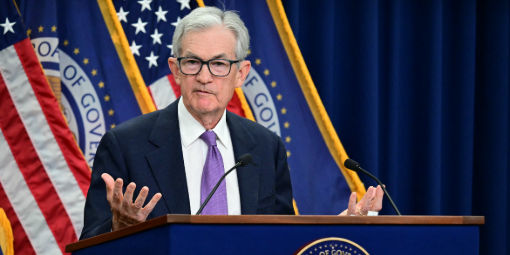
The Federal Reserve cut its benchmark interest rate by 25 basis points on Wednesday, the second cut of 2025, saying the move reflects a softer labor market and a gradual easing of inflationary pressure. Federal Reserve+ 1 In a brief statement, the Fed said implementation steps would follow its October policy decision and that officials will continue to monitor incoming data before deciding on future moves. Chair Jerome Powell stressed the Fed’s goal is to support a sustainable recovery while keeping inflation on target. Federal Reserve Markets reacted quickly: bond yields fell and equity futures showed volatility as traders repriced expectations for further rate cuts. Economists say the central bank cut reflects weaker payroll gains and signs the labor market is no longer running as hot as earlier in the year. Reuters +1 Policymakers signaled there remains uncertainty about the path ahead. Some Fed officials warned that additional moves will depend on how consumer spending, wages, and price trends evolve in the coming months. For households and businesses, the immediate effect is typically lower borrowing costs on some loans, though mortgage rates can lag other market changes. Federal Reserve+ 1 Quick context The cut follows a series of weak jobs reports and evidence of slowing wage growth, which gave the Fed room to ease policy without risking a near-term rebound in inflation. Analysts expect careful communication from the Fed to prevent market overreaction. Reuters+1 What a 25-Basis-Point Cut Means for Your Wallet A basis point is simply one-hundredth of a percentage point, so a 25-basis-point cut lowers the federal funds target range by a quarter of a percent. That rate is the overnight lending benchmark between banks, but its influence reaches household finances through several channels — some fast, some slow. Credit card APRs are usually tied to the prime rate, which moves in step with the Fed, so cardholders carrying a balance typically see slightly lower interest charges within a billing cycle or two. Rates on home equity lines of credit and some auto loans adjust in a similar way. Other borrowing costs answer to the bond market instead. Fixed mortgage rates follow longer-term Treasury yields and investor expectations about where policy is heading, which is why a widely expected cut can leave mortgage rates almost unchanged — traders had already priced it in. Savers feel the other side of the trade: yields on high-yield savings accounts and money market funds tend to drift down after cuts, trimming the interest income that had become a rare bright spot for households. What happens next depends on the data the Fed says it is watching: monthly jobs reports, inflation readings and consumer spending. If hiring stabilises and inflation keeps easing, officials can afford patience; if job growth weakens further, markets will quickly start pricing in another move. The reaction across stocks and bonds is covered in our report on markets ahead of the Fed meeting, which shows how quickly expectations can shift.